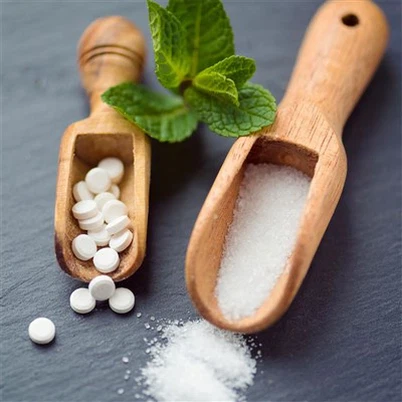
Calorie-free Sugar for Medical Use

Calorie-free Sugar for Medical Use

Calorie-free sugar for medical use can be used as an alternative for diabetics to help them control their blood sugar levels. In addition, zero-calorie candy can also be used as part of an obesity treatment plan because it does not cause caloric intake, and it also helps to control the patient's sweet cravings.

Description

Calorie-free sugar for medical use can be used as an alternative for diabetics to help them control their blood sugar levels. In addition, zero-calorie candy can also be used as part of an obesity treatment plan because it does not cause caloric intake, and it also helps to control the patient's sweet cravings.


Features

1. Low calorie: Calorie-free sugar for medical use contains no sugar and fat, very low calorie, suitable for controlling sugar and weight.

2. Does not affect blood sugar: Calorie-free sugar for medical use is not absorbed and metabolized by the human body, so it will not cause blood sugar fluctuations, suitable for diabetics and people who need to control blood sugar.

3. High sweetness: The sweetness is several times that of ordinary sugar, and the amount used is very small, which can reduce the intake of sugar.

4. Will not cause dental caries: no acidic substances will be produced in the oral cavity, will not damage teeth, and avoid dental caries problems caused by sugar.

5. High safety: It is a safe food that has undergone many researches and verifications, and will not produce adverse reactions or cause harm to the human body.

10


The difference between Calorie-free sugar for medical use and ordinary zero-calorie sugar

1. Medical use

Calorie-free sugar for medical use was originally designed for special populations such as diabetics. It is made of high-quality plant candy glucitol, which is sugar-free, low-calorie, and low-calorie. It can replace traditional sugar, help control blood sugar levels, and achieve the effects of reducing weight and reducing the risk of diabetes.


Ordinary zero-calorie sugar is a popular zero-calorie sweetener, which is often used as a sugar substitute to replace white sugar with higher energy and reduce sugar and calorie intake. Compared with medical zero-calorie candy, ordinary zero-calorie candy does not have the same research and development and strict medical testing behind it. It is mainly aimed at general consumers, helping everyone reduce sugar consumption in their daily diet and prevent excessive calorie intake leading to problems such as obesity.


2. Ingredients

There are also differences in ingredients between Calorie-free sugar for medical use and ordinary zero-calorie sugar. Zero-calorie sweets for medical use usually use polyester-type sweeteners with more stable sugar molecular structures, such as polyols and alkyl sulfonates. These sweeteners have the characteristics of low calorie and low sugar indicators, and will not cause acute metabolic disorders, and will not cause great harm to the human body.


Ordinary zero-calorie sweets usually use plant-derived sweeteners, artificial sweeteners, etc., such as cocoa glucose, aspartame, etc. Although the ingredients of these sweeteners are relatively simple, their nutritional value is lower than that of medical zero-calorie sugar, which is suitable for the dietary needs of ordinary people and not particularly suitable for the needs of some special users or patients with special diseases.


Advantages of Calorie-Free Sugar

Satisfying cravings

Sugar-free candies can satisfy your sweet tooth with less of an impact on your blood sugar than their full-sugar counterparts.

Cutting sugar

Federal dietary guidelines suggest keeping added sugars to less than 10% of your daily calories.1 Other health groups recommend an even lower limit. For example, the American Heart Association recommends 6% or less.

Less blood sugar impact

If you have diabetes, sugar-free candies are a better choice for keeping blood sugar stable. But don't assume they're carb-free, especially if they contain sugar alcohols.

Better for your teeth

Sugar-free candies and gums pose less of a risk to your teeth than their sugary counterparts.


What Are Low-Calorie Sweeteners?

Defined by the FDA, low-calorie sweeteners contain essentially zero calories and carbs. Because they do not contain carbohydrates, they do not raise blood sugar. These high-intensity sweeteners tend to be several times sweeter than sugar. They can be used in hot and cold beverages, and most can be used in cooking, baking, and preserving. Here's a summary of the FDA's official overview, along with our notes on uses:

Acesulfame Potassium: Only half of the sugar should be swapped out when baking with this sweetener.

  • 200 times sweeter than table sugar
  • Acceptable Daily Intake: 23 packets

Aspartame: It's not heat-stable and cannot be used in baking.

  • 200 times sweeter than table sugar
  • Acceptable Daily Intake: 75 packets

Saccharin: Only half the sugar should be swapped out when baking.

  • 200-700 times sweeter than table sugar
  • Acceptable Daily Intake: 45 packets

Sucralose: Can be used in baking, but requires recipe adjustments.

  • 600 times sweeter than table sugar
  • Acceptable Daily Intake: 23 packets

Luo Han Guo fruit extracts (monk fruit): Considered "natural" because it is made from a component of the monk fruit grown in China, this sweetener can be used in baking but requires recipe adjustments. It's often blended with another sweetener.

  • 100-250 times sweeter than table sugar
  • Acceptable Daily Intake: NA

Stevia: Considered "natural" because it's made from a component of stevia leaves, it can be used in baking but requires recipe adjustments. It's often blended with another sweetener.

  • 200-400 times sweeter than table sugar
  • Acceptable Daily Intake: 9 packets


FAQ

Q: 1.Is calorie free sugar safe?

A: Artificial sweeteners can be a short-term way to help some people lessen their use of sugar and lose or manage weight. In general, sugar substitutes are safe for healthy adults. But be aware of how sugar substitutes affect your food and drink choices. These ingredients may get your tastebuds used to sweetness.

Q: 2.What are low / no calorie sweeteners?

A: Low/no calorie sweeteners are food ingredients with sweet taste and no, or virtually no, calories that are used in foods and beverages as well as in table-top sweeteners in place of sugar to provide the desired sweetness with fewer or zero calories. Low/no calorie sweeteners are intensely sweet compounds, which means that they are several hundred times sweeter than table sugar. Thus, only very small quantities are needed to confer the desired level of sweetness to foods and drinks, while contributing very few or no calories at all to the final product.

Q: 3.Is sugar-free the same as calorie free?

A: Foods that naturally contain sugar, such as whole fruit, tend to be highly nutritious. While sugar-free foods might have no calories from the sweetener, it does not necessarily mean they are calorie-free.

Q: 4.Is sucralose good or bad for you?

A: Sucralose is an artificial sweetener that is generally considered safe when enjoyed in moderation. However, research on its long-term effects has turned up mixed results. Excessive amounts of added sugar can have harmful effects on your metabolism and overall health.

Q: 5.What does no calorie sweetener mean?

A: Noncaloric sweeteners (NCS) are food additives whose purpose is to provide sweetness without providing calories or glycemic effects; these are used in beverages, foodstuffs, medicines, and even in mouthwashes.

Q: 6.Is 0 calorie sugar bad for you?

A: Artificial sweeteners are deemed safe by the FDA, but should still be consumed in moderation. There is some evidence that habitual, long-term use of artificial sweeteners may increase the risk of cancer, digestive problems, diabetes, and other health issues.

Q: 7.What is the healthiest sugar to use?

A: Outside of pure stevia, I recommend using either raw honey or pure maple syrup. These sugars are not processed and they contain trace amounts of vitamins and minerals. At the end of the day, it is important to understand what sugar is doing to your body.

Q: 8.Is zero calorie sugar really zero calories?

A: Most zero-calorie sugar substitutes you find in stores have High-Intensity Sweeteners (HIS), which deliver intense sweetness with no calories and no nutritional benefits. Being several hundred times sweeter than table sugar, they are used in a fraction of the weight of any caloric sweetener.

Q: 9.What is worse sugar or sucralose?

A: Previous studies show sucralose may help lower body weight compared to sugar and other artificial sweeteners. However, other research says sucralose may cause negative effects on the body, such as increased insulin resistance and liver inflammation.

Q: 10.Is it OK to have sucralose everyday?

A: It's true that research has raised some concerns. Yet scientists haven't found any direct negative health effects in people who consume sucralose long-term. That's true both for healthy people and those with diabetes.

Q: 11.How does sucralose leave the body?

A: Most of the sucralose consumed is not completely absorbed by the human body and is disposed of through excretion. Approximately 8–20% of the sucralose gets into the blood and is excreted through urine without metabolism.

Q: 12.Is sugar from fruit as bad as refined sugar?

A: The sugar in fruit is not a cause of concern for most people, considering that it's high in fiber and nutrients. But fruit sugar in the form of sweeteners can become problematic if you consume too much of it in processed foods.

Q: 13.Does zero sugar actually mean no sugar?

A: According to the FDA, when manufacturers claim a food has "no added sugars," it cannot be processed with any sugar or sugar-containing ingredients, though it can have sugar alcohol or artificial sweeteners. Products without added sugar can contain naturally occurring sugar.

Q: 14.What are the side effects of using stevia?

A: Possible side effects include nausea, bloating, low blood pressure, and hormone disruption. Stevia is a non-nutritive or zero-calorie sweetener made of steviol glycosides. These are compounds extracted and refined from the leaves of the Stevia rebaudiana plant.

Q: 15.Is stevia better for you than sugar?

A: In the sense that pure stevia doesn't add calories, affect blood sugar or insulin levels, or contribute to tooth decay, it is a better choice than sugar. However, highly refined extracts perpetuate the desire for sweet-tasting foods and drinks, and therefore overconsumption is not recommended.

Q: 16.Why is sucralose safe?

A: Three select hydroxyl groups on the sucrose molecule are replaced with three chlorine atoms. Sucralose's structure prevents enzymes in the digestive tract from breaking it down, which is an inherent part of its safety.

Q: 17.Is sucralose the same as stevia?

A: Stevia (or stevia extract) is considered to be a type of natural sweetener, while sucralose is an artificial sweetener. Natural sweeteners come from natural sources that contain calories and nutrients that are metabolized by the body. Many natural sweeteners come from plant sources.

Q: 18.Is sucralose bad for the liver?

A: Histopathological examination in sucralose and stevia administrated groups confirmed the biochemical results; where it revealed a severe damage in liver and kidney sections. While, sucrose administration elevated, only, the levels of ALT, AST and cholesterol in male mice.

Q: 19.Who should not eat sucralose?

A: A study found that sucralose increased blood glucose levels and insulin levels while decreasing insulin sensitivity. This could negatively affect people, especially those with diabetes, who consume sucralose to try to manage their blood glucose levels.

Q: 20.What are the benefits of going sugar-free?

A: More so, high-sugar diets are particularly associated with belly fat – visceral fat, and it is the gateway to chronic diseases like diabetes and various heart conditions. A sugar-free diet will burn down fat and maintain a stable weight.


Hot Tags: calorie-free sugar for medical use, China calorie-free sugar for medical use manufacturers, suppliers, factory, Calorie free Rock Candy, Calorie free Syrup, Flavory Calorie free Sugar, Calorie free Baking Frosting, Calorie free Sugar For Medical Use, Calorie free Sweetener Calorie free Sugar

You Might Also Like

Shopping Bags