

Our company is mainly engaged in the R&D of microbial technology and food technology and industrialized production, focusing on the R&D and production of products with low sugar/salt/fat content.
Advanced Production Equipment
We have many advanced production equipment such as liquid fermentation tanks, solid fermentation chambers, co-crystallization machines, ultra-filter, reverse osmosis devices, high-temperature and high-pressure sterilizers. We also have a clean workshop that meets GMP standards.
Professional Team
Our R&D team has 11 professors and doctors, and we can provide ODM services. In addition, New Sugar Source Nutrition and Health Research Institute, a subsidiary of our company, is a provincial-level research and development institution approved by the government.
Variety of Products
We can provide customers with no-calorie table sweeteners, low-calorie functional compound sweeteners, low-salt umami seasonings and dietary fiber sugar-free solid drinks. They can be used in daily life or in the processing of food, beverages and pharmaceuticals.
Multiple Certifications
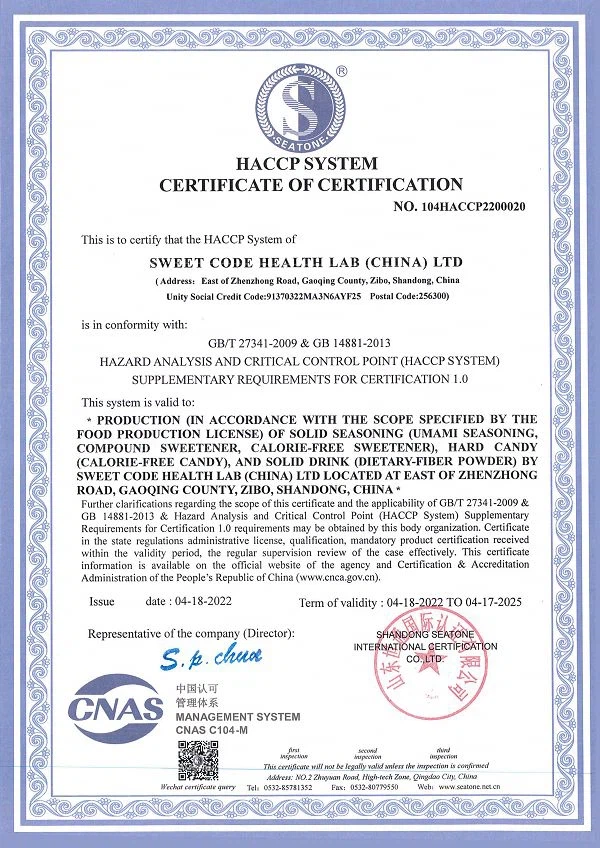
We have established a strict quality control system and have passed ISO9001, ISO14001, HACCP, ISO22000 and ISO45001 system certifications. We have also obtained the authorized invention patent: ZL 202010301634.6.


Sweetener, any of various natural and artificial substances that provide a sweet taste in foods and beverages. In addition to their sweetening power, they may be used in such processes as food preservation, fermentation (in brewing and wine making), baking (where they contribute to texture, tenderization, and leavening), and food browning and caramelization. Natural sweeteners may be both nutritive and flavorsome and thus popular both as food and as flavouring. Non-nutritive sweeteners, which may be either artificial (synthetic) or derived from plants, include such compounds as saccharin, aspartame, cyclamates, and thaumatin. The popular non-nutritive sweetener stevia contains a number of natural compounds.
Different Types of Sweeteners


Stevia
Stevia is a very popular low calorie sweetener. It’s extracted from the leaves of a plant called Stevia rebaudiana. Several sweet compounds are found in stevia leaves. The main ones are stevioside and rebaudioside A. Both are hundreds of times sweeter than sugar, gram for gram. Therefore, stevia is very sweet but has virtually no calories. Stevia may help lower high blood pressure in people with hypertension. However, it doesn’t affect normal or only mildly elevated blood pressure levels. Stevia may be a helpful sugar alternative for people with diabetes and help maintain healthy blood sugar levels. However, some research suggests that stevia may negatively affect the gut microbiome.
Erythritol
Erythritol is another low calorie sweetener. It’s a sugar alcohol found naturally in certain fruits. However, powdered erythritol available for purchase is most likely made via an industrial process. Erythritol tastes very much like sugar, although it can have a mild aftertaste. Erythritol doesn’t spike your blood sugar or insulin levels, nor does it affect levels of blood fats like cholesterol or triglycerides. It’s absorbed into your body from your intestines, but it’s eventually excreted from your urine unchanged. Although it’s often better tolerated than other sugar alcohols, it could cause digestive issues, including gas and diarrhea, if you consume too much at a time — especially if it’s combined with other types of sugar like fructose.
Xylitol
Xylitol is a sugar alcohol with a sweetness similar to that of sugar. Xylitol appears to have some benefits for dental health, including reducing the risk of cavities and dental decay. According to some animal studies, it may also improve bone density, helping prevent osteoporosis. Furthermore, research shows that xylitol can increase levels of several compounds in the digestive tract to help support your gut microbiome. Xylitol also doesn’t raise blood sugar or insulin levels. However, like other sugar alcohols, it can cause digestive side effects, including abdominal gas and diarrhea, at high doses. Keeping this in mind, it’s best to use xylitol in moderation. Finally, if you have a dog at home, keep xylitol out of its reach, as xylitol is highly toxic to dogs.
Yacon Syrup
Yacon syrup is another unique sweetener. It’s harvested from the yacon plant, which grows natively in the Andes in South America. It’s very high in fructooligosaccharides, which function as soluble fibers that feed the good bacteria in your intestine. Yacon syrup may prevent constipation and has various benefits due to its high amount of soluble fiber. Don’t eat too much at a time, though, as it can cause digestive problems.
Monk Fruit Sweetener
Monk fruit is a type of fruit native to Southeast Asia. It’s often used to make a natural sweetener called monk fruit extract. It’s free of calories and carbs, and some research suggests it may help support better blood sugar management. Monk fruit also contains antioxidant compounds known as mogrosides, which studies have shown may reduce markers of inflammation. Although there’s limited research on the effects of monk fruit in humans, it’s generally considered safe and hasn’t been associated with any negative side effects. However, it’s important to check the ingredient label when purchasing monk fruit extract, as many products are combined with sugar or other sweeteners, which could negate its potential health benefits.
Low or No-Calorie Sweeteners
Low-calorie sweeteners, also known as artificial high-intensity sweeteners, or natural high intensity sweeteners, contain few or no calories but have a higher intensity of sweetness per gram than sugar. Some examples of low-calorie or no calorie sweeteners are aspartame, sucralose, acesulfame-K, and saccharin. The list of naturally-derived low or no-calorie sweeteners is also growing. Some of the most popular low or no-calorie, natural sweeteners include stevia, erythritol, monk fruit, and allulose.
Features of Sweeteners
Reduce Calorie Content
Natural sweeteners often have fewer calories than refined sugars. With that being said, just because something has fewer calories in comparison, it doesn’t automatically make it healthier.
Lower Glycemic Index
Having a glycemic index (GI) score of 1 to 55 means that the GI is low. Many natural sweeteners have a lower glycemic index than refined sugars, such as maple syrup, honey, agave, and stevia. The glycemic index measures how quickly carbohydrate-containing foods raise blood sugar levels. Many natural sweeteners have lower GI values, which means they cause a slower and steadier rise in blood sugar levels compared to refined sugars.
Reduce Impact on Blood Sugar
For individuals with diabetes or those seeking to manage blood sugar levels, natural sweeteners can have less effect on blood sugar levels than other sweeteners. This can help prevent blood sugar spikes and crashes, making them suitable choices for people with diabetes or those following a low-glycemic or ketogenic diet.
Less Processe
Natural sweeteners are usually less processed compared to table sugar and refined sugar. They come from natural sources such as plants, fruits, or sap. Natural options can reduce your chances of certain illnesses in the future, as too much refined sugar can increase your chances of developing heart disease, type 2 diabetes, non-alcoholic fatty liver disease, and put you at higher risk for other conditions.
Variety of Flavors
Natural sweeteners offer a wide range of flavors, allowing for a greater range of taste profiles. Having variety can add excitement to recipes and offer different flavor options for your favorite foods.

Benefits of Sweeteners
All-Natural Substance
Natural sweeteners come from substances found in the environment, such as the stevia herb. This sweetness is quite appealing, as they allow you to watch your sugar intake. It is important to note that some natural sugars add no calories to your diet. They can be an excellent option for people diagnosed with diabetes and weight loss problems.
Weight Control
Natural, sugar-free sweeteners have no calories, making them suitable for people who want to watch their weight. You get roughly sixteen calories for every teaspoon of sugar you take in, a relatively high amount. Comparing this to the number of calories you consume when consuming a natural sugar product is healthier. Replacing sugar with natural sweeteners can help improve your health significantly and maintain a healthy weight, which is very important.
A Diabetes-Friendly Option
Natural sweeteners do not contain carbohydrates like sugar products, ensuring that your blood sugar level will not be affected no matter how much you consume. It’s important to talk to your doctor about consuming natural sweeteners and the healthy options available to you. These sugar-free syrups can just be the solution you need for managing your diabetes by giving you an alternative to sugar which significantly affects your health.
Nutritional Value
Natural sweeteners contain vitamins, minerals, and antioxidants that are not present in refined sugars. For example, honey contains small amounts of vitamins B and C, while maple syrup contains minerals like calcium, potassium, and zinc.
Versatile in Cooking
Natural sweeteners can be used as a substitute for refined sugars in various recipes without compromising taste. They can be incorporated into baked goods, beverages, sauces, and dressings, offering a healthier alternative while maintaining the desired level of sweetness.
Some Tips for Choosing Sweeteners
Here are some tips to keep in mind while considering natural sweeteners.

Start with the Ingredient Legend
Consumers are increasingly expecting ingredient lists to be shorter, so formulators are looking for opportunities to displace multiple ingredients. You should carefully read the information on flavor, color and functional benefits of sweeteners to avoid the use of other ingredients such as artificial colors and flavors. Additionally, many traditional sweeteners, such as high-fructose corn syrup, have fallen out of favor with today’s savvy consumers.
Consider the Source
Part of the appeal of nontraditional sweeteners is the potential to integrate familiar natural ingredients into applications. Consumers are comforted by seeing ingredients they recognize - such as sweet potatoes or honey - on ingredient lists. According to a study conducted by North Carolina State University, more than 95 percent of consumers see sweet potato as a healthy ingredient. Formulators that can find innovative methods to integrate these trendy, healthy ingredients into their applications will likely be rewarded with consumer loyalty.


Get Samples
It’s difficult to truly grasp the potential benefits of an ingredient without working directly with it. Experimentation also helps uncover any limitations of the ingredient. Many natural sweetener suppliers will provide samples to formulators interested in their products.
Evaluate the Nutritional Profile
When working with nontraditional sweeteners, formulators must consider the health attributes of different options. To find out how the nutritional properties of the sweetener you want to buy compare to those of other natural and alternative sweeteners, check with the manufacturer.

Storage Tips: Keeping Your Sweetener Fresh and Flavorful
Buy Sweeteners in Airtight Containers
The first step in storing sweetener is to make sure the sweetener you purchase is in an airtight container. When exposed to air and moisture, sweeteners can become rancid or contaminated, affecting their quality and flavor. When shopping for sweeteners, look for brands that package their products in containers. Glass jars with tight-fitting lids are a popular choice because they are durable and easy to clean. Some brands may also use plastic containers with twist-off lids for easier pouring and storage.
Store Sweeteners in a Cool and Dry Place
After purchasing sweetener in an airtight container, be sure to store it in a cool, dry place to keep the sweetener fresh and delicious. Sweeteners may spoil or lose their quality if exposed to moisture, heat or light. Here are some tips for safely storing sweetener.
*Cap the Jar after Use: Sweeteners usually come in airtight containers, such as glass jars or plastic bottles. Make sure to keep it in its original container or transfer it to a similar airtight container that is tightly sealed to prevent the entry of air and moisture. After opening the container, be sure to put the lid back in place or tighten it completely.
*Choose a Cool, Dry Place: Store your sweetener in a cool, dry place away from direct sunlight, heat, or moisture. Ideally, a pantry or cupboard away from the stove or oven is the best location.
*Check for Signs of Spoilage: Improper storage can cause sweeteners to go bad. If you notice any mold, unusual color, odor or taste, discard the sweetener immediately. Also, if there are any signs of fermentation, it means the sweetener has gone bad. By following these simple storage tips, you can keep your sweetener fresh and delicious longer.
Storing Sweeteners for an Extended Period
If you plan to store your sweetener for a long time, there are some extra steps you can take to help maintain its quality and flavor.
Use Appropriate Containers
A key point in sweetener storage is ensuring you use high-quality, airtight, leak-proof containers. Glass or plastic jars with airtight or screw-top lids are both good options.
Label and Date Containers
Whether you store your sweetener in the refrigerator or freezer, be sure to label the container with the date of manufacture or purchase. This will help you keep track of how long your sweetener has been stored and when you need to use or throw it away.
Refrigerated Sweetener
Although the sweetener does not require refrigeration, keeping it in the refrigerator can help extend its shelf life. Lower temperatures slow down the natural oxidation process, causing the syrup to go rancid over time.
Our Certificate
Our company has obtained the following certificates:


Our Factory
This is a photo of our factory:


FAQ
Q: Is there an acceptable amount of sweeteners kids can eat or drink daily?
Q: How do I know how much non-nutritive sweetener is in a product?
Q: How many different no- and low-calorie sweeteners are there?
Q: Is it true artificial sweeteners cause cancer?
Q: What are the negative health effects of sweeteners on children?
Q: Can non-nutritive sweeteners help with weight loss?
Q: What is the difference between sugar substitutes and non-nutritive sweeteners?
Q: How is the health safety of sweeteners ensured?
Q: Do mixtures of several sweeteners lead to health risks for humans?
Q: Are there aspects that should be considered when using certain sweeteners?
Q: Why are some sweeteners bad for me?
Q: How many artificial sweeteners is too much?
Q: What is the acceptable daily intake of sweeteners?
Q: Where do sweeteners come from?
Q: What are the main ingredients in artificial sweeteners?
Q: What is the most concentrated sweetener?
Q: Is it OK to have artificial sweetener everyday?
Q: What happens if you have too much artificial sweetener?
Q: What is natural sweeteners made from?
Q: What natural sweetener is closest to sugar?
As one of the most professional sweetener manufacturers and suppliers in China, we're featured by good service and punctual delivery. Please rest assured to buy high quality sweetener at competitive price from our factory.
Functional Calorie free Sugar, Erythritol Stevioside, Functional Solid Beverage