Dietary-fiber Compound Sweetener
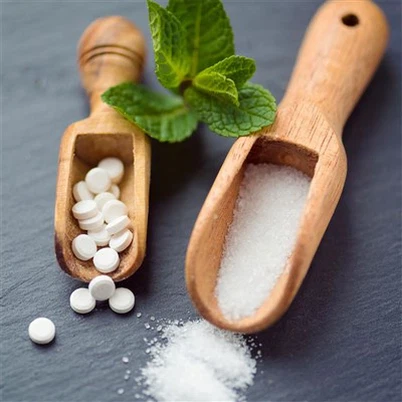
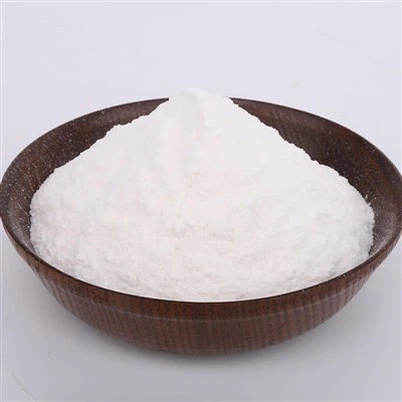
Dietary-fiber compound sweetner is a compound sugar substitute made of a core raw material---dietary fiber (including but not limited to inulin, oligofructose, polyfructose, resistant dextrin, polydextrose, and citrus fiber) supplemented with one of the following materials or any combination of them---erythritol, xylitol, allulose, glucosylmannitol , maltitol, glucose, and sucrose. Other ingredients may also be added to the production process.
Description
The process characteristics of dietary fiber composite sweeteners are to select suitable raw materials for hydrolysis or enzymatic hydrolysis, add sweeteners and regulators, and adopt appropriate production processes to improve the stability and taste of the sweeteners.
dietary fiber composite sweeteners

The process characteristics of dietary fiber composite sweeteners mainly include the following aspects:
1. Choose suitable dietary fiber raw materials for compounding. The commonly used dietary fiber raw materials include pectin, carrageenan, carboxymethyl cellulose, etc. Choosing the appropriate raw materials can improve the stability and taste of sweeteners.
2. Hydrolysis or enzymatic hydrolysis of dietary fiber. Hydrolysis or enzymatic hydrolysis of dietary fiber can increase its solubility, improve the solubility and taste of sweeteners.
3. Add a sweetener. Sweeteners can increase the sweetness and taste of sweeteners. Common sweeteners include saccharin, aspartame, sodium benzoate, etc.
4. Adjust the pH value. Adjusting the pH value of sweeteners can increase their stability, and commonly used regulators include citric acid, lactic acid, etc.
5. The stability and taste of sweeteners can be improved by adopting appropriate production processes. The commonly used production processes include vacuum concentration, spray drying, etc.
In summary, the process characteristics of dietary fiber composite sweeteners are to select suitable raw materials for hydrolysis or enzymatic hydrolysis, add sweeteners and regulators, and adopt appropriate production processes to improve the stability and taste of the sweeteners.
Dietary fiber composite sweetener
Dietary fiber composite sweetener is a food additive that can replace traditional sweeteners. Its product characteristics are mainly manifested in the following aspects:
1. Low calorie: Compared to traditional sweeteners, it has very low calories and can effectively help reduce energy intake, thereby maintaining physical health.
2. Good taste: The taste is relatively close to real sugar, which can give people a comfortable taste while also increasing the texture and taste of the food.
3. Increase satiety: Having a strong sense of satiety can reduce appetite, help control excessive food intake, and thus help to lose weight and maintain a healthy weight.
4. Increase nutrition: Rich in dietary fiber and other nutrients, it can increase the nutritional value of food and help improve human health.
5. Safety and Health: It is a natural food additive that does not contain any harmful substances and can be safely applied to various foods without any harm to human health.
Food Sources High in Dietary Fiber
Strive to take in 100% of the daily value (DV) of dietary fiber each day. Foods are considered high in fiber if they contain 20% or more DV of dietary fiber per serving. Foods with 5% or less DV of dietary fiber per serving are considered low fiber.
Foods that contain dietary fiber include:
- Fruits and vegetables
- Whole grains and foods made with whole-grain ingredients
- Beans, peas, and lentils
- Nuts and seeds
- Wheat bran
For soluble fiber, try foods such as:
- Apples
- Blueberries
- Oatmeal
- Nuts
- Beans
- Lentils
For insoluble fiber, try foods such as:
- Whole wheat products, particularly wheat bran
- Brown rice
- Quinoa
- Legumes
- Almonds
- Walnuts
- Seeds
- Leafy green vegetables, like kale
- Fruits with edible skins, like apples and pears
Most people should be able to get enough fiber through their diets and not require fiber supplements. Foods can provide a variety of fiber types as well as other nutrients and phytochemicals that may work with fiber, while supplements tend to be more isolated. Talk to your healthcare provider if you can't meet your fiber needs through your diet alone.
Hot Tags: dietary-fiber compound sweetener, China dietary-fiber compound sweetener manufacturers, suppliers, factory, Low sugar Compound Sweeteners, Dietary fiber Compound Sweetener, Low energy Brown Sugar, Low sugar Content White Sugar, Oligosaccharide Compound Sweetener
Send Inquiry
You Might Also Like