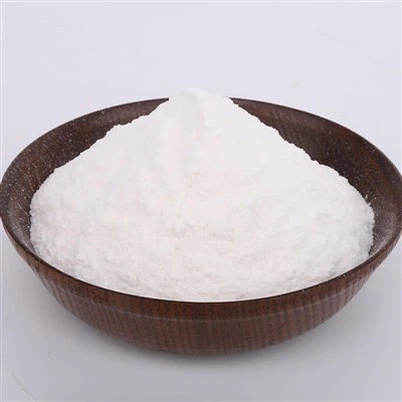
Arabinose Compound Sucrose
Arabinose compound sucrose is a complex sugar composed of arabinose and sucrose, typically present in plant tissues and food. Arabinose is an indigestible carbohydrate that is broken down and utilized by microorganisms through fermentation in the human body. Compared to this, sucrose is a digestible carbohydrate that can provide energy after being digested and absorbed by the human body. The presence of arabinose combined with sucrose can affect the taste, texture, and nutritional characteristics of food, making it a common natural sugar.
Description
Arabinose compound sucrose is a complex sugar composed of arabinose and sucrose, typically present in plant tissues and food. Arabinose is an indigestible carbohydrate that is broken down and utilized by microorganisms through fermentation in the human body. Compared to this, sucrose is a digestible carbohydrate that can provide energy after being digested and absorbed by the human body. The presence of arabinose combined with sucrose can affect the taste, texture, and nutritional characteristics of food, making it a common natural sugar.
Characteristics
1. It is a kind of compound sugar different from monosaccharide or disaccharide, which is formed by the combination of sucrose molecule and arabinose molecule through chemical bond.
2. It has good water solubility and stability, and can withstand adverse environments such as high temperature, acid and alkali without losing its sweetness.
3. The sweetness is lower than sucrose, but it has good sweetness persistence and freshness, which can improve the taste and flavor of food products.
4. It has certain functionality and can be broken down into arabinose and sucrose by certain bacteria in the human intestine, thereby regulating blood sugar and blood lipids, enhancing intestinal health, and other functions.
5. It is a natural compound sugar, without additives, safe and reliable, suitable for use in various foods and beverages, such as vegetable juice, milk, yogurt, cold drinks, pastries, etc.
The production process of arabinose complex sucrose has the following characteristics:
1. Preliminary preparation: malt starch or glucose are added to glucose isomerase to generate about 70% of isomeric sugar, and then arabinose is obtained through further extraction and refining.
2. Compound with sucrose: Mix pure arabinose with refined sucrose in a certain proportion, heat and stir to fully dissolve and react.
3. Refining and refining: Refining and refining the mixed solution after reaction, removing impurities and moisture, to obtain arabinose compound sucrose product.
This production process has the advantages of high efficiency, environmental protection, and energy conservation, and has been widely used.
Product advantages
1. Lower sweetness: Compared to sucrose, it has a lower sweetness, making it a healthier choice for sweeteners.
2. Lower calories: Due to its relatively low sweetness, it contains fewer calories and is more
suitable for controlling weight and appetite than sucrose.
3. Lower glycemic index: it will not cause a sharp rise in blood sugar, because its glycemic index is low, which is beneficial to diabetes patients and healthy people.
4. Better taste and color: Compared to other sugar substitutes, it has a better taste and color, making it a more popular choice in food and beverage manufacturing.
5. Better stability: It has better stability under high temperature and acidic conditions, making it a suitable sugar substitute for use in baking and beverage manufacturing.
Properties of Arabinose Compound Sucrose
For biosynthetic reasons, most saccharides are almost always more abundant in nature as the "D"-form, or structurally analogous to D-glyceraldehyde. However, L-arabinose is in fact more common than D-arabinose in nature and is found in nature as a component of biopolymers such as hemicellulose and pectin.
The L-arabinose operon, also known as the araBAD operon, has been the subject of much biomolecular research. The operon directs the catabolism of arabinose in E. coli, and it is dynamically activated in the presence of arabinose and the absence of glucose.
A classic method for the organic synthesis of arabinose from glucose is the Wohl degradation.
3 Major Effects Of L-Arabinose: Weight Loss, Blood Sugar Regulation, And Intestinal Health
It can solve constipation.
Since there are no enzymes in the human intestine to digest five-carbon sugars, arabinose is difficult to be absorbed by the intestines. It can successfully solve the problem of constipation. And it can be used as a purely natural food. In this case, it is neither a medicine nor a health product. Therefore, long-term consumption will not cause toxic side effects or dependence on the body.
It can inhibit sucrase activity in the small intestine and has a blocking and inhibitory effect on the metabolic conversion of sucrose.
If arabinose is added in a certain proportion, the body can inhibit the absorption of sucrose by 70%. It can even improve glucose tolerance. Therefore, it suppresses the increase in blood glucose and insulin concentrations caused by sucrose ingestion. For people with high blood sugar, people with diabetes, and pregnant women with gestational diabetes, it has good blood sugar-regulating benefits.
It regulates intestinal flora and proliferates beneficial intestinal bacteria.
Because the body does not absorb arabinose in the intestines, harmful bacteria do not use it. It is only utilized by Bifidobacteria. It promotes the proliferation of probiotic bacteria in the intestines, including Bifidobacterium and Lactobacillus. It also has the effect of promoting human intestinal health. Moreover, sucrose in the intestine is inhibited by arabinose, so the part of sucrose that has not been broken down into glucose and fructose cannot be absorbed by the small intestine. After it reaches the large intestine, it will cooperate with arabinose to promote the growth of Lactobacillus. Microorganisms in the large intestine can break it down into many short-chain organic acids. These organic acids inhibit fat synthesis in the liver, thereby achieving the effect of fat loss.
Hot Tags: arabinose compound sucrose, China arabinose compound sucrose manufacturers, suppliers, factory, Low GI Compound Sucrose, DNJ Compound Sucrose, Arabinose Compound Sucrose
Send Inquiry
You Might Also Like