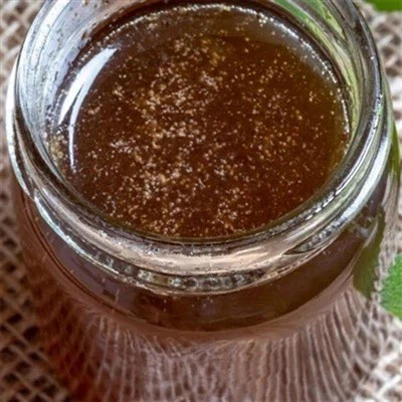
What is the color of low - energy brown sugar?
Leave a message

The color of low - energy brown sugar is a fascinating topic that not only involves the aesthetics of the product but also provides insights into its composition and quality. As a supplier of Low - energy Brown Sugar, I am excited to share in - depth knowledge about its color and related aspects.
Understanding Low - energy Brown Sugar
Low - energy brown sugar is a type of sweetener that has gained popularity in recent years, especially among health - conscious consumers. Unlike traditional brown sugar, which is often high in calories, low - energy brown sugar is formulated to provide a similar taste and appearance with reduced calorie content. This is achieved through a combination of ingredients and production processes that aim to maintain the characteristic flavor of brown sugar while minimizing the energy intake.
The color of brown sugar, in general, comes from the presence of molasses. Molasses is a by - product of the sugar - refining process and contains various compounds such as minerals, vitamins, and antioxidants. In the case of low - energy brown sugar, the color can vary depending on several factors, including the source of the raw materials, the amount of molasses added, and the manufacturing process.
Factors Influencing the Color of Low - energy Brown Sugar
Source of Raw Materials
The raw materials used in the production of low - energy brown sugar play a crucial role in determining its color. For example, if the sugar is derived from different types of cane or beet, the initial color of the base sugar can vary. Cane sugar often has a more golden - brown hue, while beet sugar may have a slightly different undertone. Additionally, the quality and origin of the molasses can also impact the final color. Molasses from different regions may have different levels of impurities and chemical compositions, which can lead to variations in color.
Amount of Molasses
The quantity of molasses added to the low - energy brown sugar is another significant factor. More molasses generally results in a darker color. However, in the production of low - energy brown sugar, the amount of molasses needs to be carefully controlled to balance the color, taste, and calorie content. Manufacturers need to find the optimal ratio to achieve the desired brown color while keeping the energy level low.
Manufacturing Process
The manufacturing process can also affect the color of low - energy brown sugar. Processes such as heating, evaporation, and crystallization can alter the chemical structure of the sugar and molasses, leading to changes in color. For instance, prolonged heating can cause caramelization, which darkens the sugar. On the other hand, gentle processing methods may preserve the natural color of the ingredients more effectively.
The Ideal Color of Low - energy Brown Sugar
The ideal color of low - energy brown sugar is a rich, warm brown that is visually appealing and reminiscent of traditional brown sugar. This color indicates a good balance of molasses and other flavor - enhancing compounds. A uniform color throughout the product is also a sign of high - quality production. Consumers often associate a deep, consistent brown color with a more authentic and flavorful sweetener.
However, it's important to note that the color alone does not determine the quality of low - energy brown sugar. Other factors such as taste, aroma, and nutritional value also need to be considered. A product with a beautiful color but a lack of flavor or excessive calorie content would not meet the expectations of health - conscious consumers.
Comparing Low - energy Brown Sugar with Other Sweeteners
When comparing low - energy brown sugar with other sweeteners, such as Low - sugar Content White Sugar, the color difference is quite obvious. White sugar is typically pure and has a bright, white color due to the removal of most impurities and molasses during the refining process. In contrast, low - energy brown sugar has a distinct brown color, which gives it a more natural and rustic appearance.
Another sweetener to consider is Dietary - fiber Compound Sweetener. This type of sweetener may have a light color, often closer to white or pale yellow, depending on the type of dietary fiber used. The color difference reflects the different ingredients and functions of these sweeteners. Low - energy brown sugar offers a unique combination of flavor and color that is not found in other sweeteners.
Quality Control and Color in Low - energy Brown Sugar Production
As a supplier of Low - energy Brown Sugar, quality control is of utmost importance. Color is one of the key parameters we monitor during the production process. We use advanced color - measuring equipment to ensure that the color of our low - energy brown sugar meets the standards set by our customers and the industry.


We also conduct regular sensory evaluations to assess the color, taste, and aroma of our products. This helps us to maintain consistency and quality across different batches. By carefully controlling the factors that influence color, such as the source of raw materials, the amount of molasses, and the manufacturing process, we can produce low - energy brown sugar with a consistent and appealing color.
Consumer Perception of the Color of Low - energy Brown Sugar
Consumers often have certain expectations regarding the color of low - energy brown sugar. A rich, brown color is generally associated with a more natural and healthy product. Many consumers believe that a darker color indicates a higher content of beneficial compounds such as minerals and antioxidants. This perception is not entirely unfounded, as molasses, which gives brown sugar its color, does contain these nutrients.
However, it's important to educate consumers that while color can be an indicator of quality, it is not the only factor. Our low - energy brown sugar is formulated to provide a balance of taste, color, and nutritional value. We strive to meet the expectations of consumers by offering a product that not only looks good but also delivers on its health - related promises.
Contact for Purchase and Collaboration
If you are interested in our Low - energy Brown Sugar, we welcome you to contact us for further information and to discuss potential purchase and collaboration opportunities. Our team of experts is ready to assist you in understanding the unique features of our product and how it can meet your specific needs. Whether you are a food manufacturer looking for a high - quality sweetener or a distributor interested in adding a new product to your portfolio, we are here to work with you.
References
- "Sugar Science: Chemistry and Technology" by John N. Potter
- "Handbook of Sweeteners" edited by George Reineccius
- Industry reports on low - sugar sweeteners and consumer preferences