Is Erythritol Good Or Bad For You?
Leave a message
Is erythritol good or bad for you?
Introduction:
Erythritol is a sugar alcohol that has gained popularity as a sugar substitute in recent years. It is naturally present in certain fruits and fermented foods, but it is also commercially produced and used as an artificial sweetener. Despite its widespread use, there is a lot of debate surrounding the health effects of erythritol. Some claim it is a safe and healthy alternative to sugar, while others argue that it may have negative consequences. In this article, we will dive deep into the research to determine whether erythritol is good or bad for your health.
Understanding Erythritol:
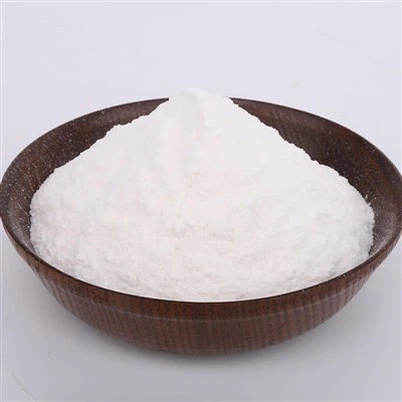
Erythritol, chemically known as (2R,3S)-butane-1,2,3,4-tetraol, belongs to a class of compounds called sugar alcohols or polyols. It is derived from natural sources such as fruits and fermented foods like wine, cheese, and soy sauce. Erythritol has a sweet taste, similar to sugar, but with only about 70% of its sweetness. This reduced sweetness makes it less calorically dense than sugar, hence its popularity as a sugar substitute.
Unlike other sugar alcohols such as xylitol or sorbitol, erythritol is known for having minimal effects on blood sugar and insulin levels. This makes it a suitable option for people with diabetes or those following a low-carb or ketogenic diet. Additionally, erythritol does not cause tooth decay, as oral bacteria are unable to metabolize it.
Health Benefits of Erythritol:
1. Reduced calorie intake: Erythritol provides bulk and sweetness to foods without adding significant calories. This makes it an attractive replacement for sugar for individuals looking to reduce their calorie intake and manage their weight.
2. Improved blood sugar control: Unlike sugar, erythritol does not raise blood glucose levels or stimulate insulin secretion. It has a negligible glycemic index of zero, making it suitable for diabetic individuals or those monitoring their blood sugar levels.
3. Tooth-friendly alternative: Erythritol does not promote tooth decay since oral bacteria cannot ferment it. This makes it an excellent sugar substitute for maintaining oral health.
4. Gut-friendly properties: Erythritol is not fully absorbed in the small intestine and reaches the colon intact. Once in the colon, it is fermented by the gut bacteria at a slower rate compared to other sugar alcohols. This slow fermentation process minimizes the potential for digestive discomfort, making erythritol a well-tolerated sweetener for most individuals.
Potential Side Effects and Concerns:
1. Gastrointestinal effects: While erythritol is generally well-tolerated, consuming large amounts can cause digestive symptoms such as bloating, gas, and diarrhea. However, most individuals can safely consume moderate amounts of erythritol without experiencing any adverse effects.
2. Non-nutritive nature: Erythritol, like other sugar alcohols, is non-nutritive, meaning it provides no essential vitamins or minerals. While this may not be a concern for most individuals who consume a varied diet, it is essential to ensure an adequate intake of other nutrients for overall health.
3. Food cravings and addictive tendencies: Some research suggests that artificial sweeteners like erythritol may increase appetite and food cravings. Although the evidence is limited and controversial, it is worth considering for individuals trying to control their food intake.
Research Studies and Findings:
Numerous studies have investigated the health effects of erythritol, shedding light on both its benefits and potential concerns. Let''s take a look at some notable findings:
1. In a study published in the Journal of Nutrition, researchers found that erythritol had no adverse effects on cardiovascular health. In fact, it improved blood vessel function and reduced oxidative stress in diabetic rats.
2. Another study, published in the European Journal of Clinical Nutrition, found that erythritol did not raise blood sugar levels in healthy individuals. This supports its use as a suitable sugar substitute for diabetics or those aiming to control their blood sugar levels.
3. On the other hand, a study published in Gut Microbes reported that erythritol intake altered the gut microbiota composition in mice. However, it is important to note that this study was conducted on animals and may not directly translate to human effects.
Conclusion:
Erythritol appears to be a safe and well-tolerated sugar alternative, with numerous health benefits when consumed in moderation. Its negligible effect on blood sugar, tooth decay prevention, and low-calorie content make it an attractive option for individuals looking to reduce their sugar intake. However, it is important to note that excessive consumption may result in gastrointestinal symptoms for some individuals. As with any food or sweetener, moderation is key.
It is always recommended to consult with a healthcare professional or registered dietitian to determine the most suitable sugar substitute for your individual needs and health condition.