How does low - salt umami seasoning compare to vinaigrette?
Leave a message

As a supplier of Low-salt Umami Seasoning, I've had numerous discussions with chefs, home cooks, and food enthusiasts about the best seasonings to elevate dishes. One common comparison that often comes up is between low-salt umami seasoning and vinaigrette. In this blog, I'll delve into the differences, similarities, and unique benefits of each, helping you make an informed choice for your culinary creations.
Understanding Low-salt Umami Seasoning
Low-salt umami seasoning is a game-changer in the world of flavor. Umami, often referred to as the fifth taste, is a savory, rich flavor that enhances the overall taste of food. This seasoning is formulated to deliver intense umami flavor while reducing the sodium content compared to traditional seasonings.
One of the key ingredients in many low-salt umami seasonings is Yeast Extract Compound Salty Seasoning. Yeast extract is a natural source of glutamates, which are responsible for the umami taste. It adds depth and complexity to dishes, making them more satisfying.
Low-salt umami seasoning is incredibly versatile. It can be used in a wide range of dishes, from soups and stews to marinades and stir-fries. It's also a great option for those looking to reduce their sodium intake without sacrificing flavor. Whether you're a health-conscious consumer or a chef aiming to create healthier menu options, low-salt umami seasoning is a valuable addition to your pantry.
Exploring Vinaigrette
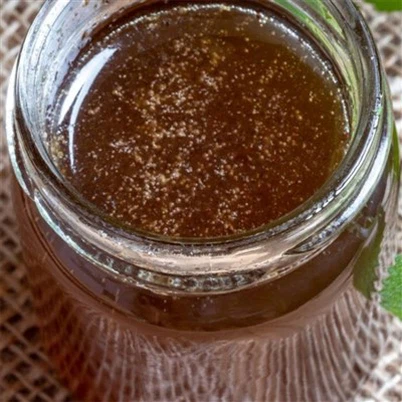
Vinaigrette is a classic dressing made from a combination of oil, vinegar, and seasonings. It's a staple in many cuisines, from French to Italian, and is known for its bright, tangy flavor. Vinaigrettes can be customized with a variety of herbs, spices, and other ingredients to create different flavor profiles.
The basic ratio for a vinaigrette is typically three parts oil to one part vinegar, but this can be adjusted to suit personal preferences. Common types of oil used in vinaigrettes include olive oil, canola oil, and avocado oil, while vinegar options range from balsamic and red wine vinegar to apple cider and rice vinegar.
Vinaigrettes are most commonly used as salad dressings, but they can also be used as marinades, dipping sauces, or to add flavor to cooked vegetables. They add a refreshing and acidic element to dishes, balancing out rich or heavy flavors.
Flavor Profile Comparison
When it comes to flavor, low-salt umami seasoning and vinaigrette offer distinct profiles. Low-salt umami seasoning provides a deep, savory flavor that enhances the natural taste of ingredients. It's like a flavor booster, adding complexity and richness to dishes. For example, a simple bowl of vegetable soup can be transformed into a more flavorful and satisfying meal with the addition of low-salt umami seasoning.
On the other hand, vinaigrette offers a bright, tangy, and acidic flavor. The combination of oil and vinegar creates a unique balance of flavors that can cut through the richness of ingredients. A vinaigrette dressing can add a refreshing kick to a salad, making it more vibrant and appealing.


In terms of versatility, low-salt umami seasoning has an edge. It can be used in a wider variety of dishes, including both savory and sweet applications. Vinaigrette, while versatile in its own right, is primarily associated with salads and cold dishes.
Health Benefits
In today's health-conscious world, the health benefits of seasonings are becoming increasingly important. Low-salt umami seasoning is a great option for those looking to reduce their sodium intake. Excessive sodium consumption has been linked to high blood pressure, heart disease, and other health issues. By using low-salt umami seasoning, you can enjoy the same great flavor with less sodium.
Vinaigrette can also be a healthy choice, especially when made with high-quality ingredients. Olive oil, for example, is rich in monounsaturated fats, which are beneficial for heart health. Vinegar has also been shown to have several health benefits, including improved digestion and blood sugar control. However, some store-bought vinaigrettes can be high in sugar and calories, so it's important to read the labels carefully.
Culinary Applications
The culinary applications of low-salt umami seasoning and vinaigrette are quite different. Low-salt umami seasoning can be used in a variety of cooking methods, including sautéing, roasting, and simmering. It can be added to the cooking process or used as a finishing touch to enhance the flavor of a dish.
For example, you can sprinkle low-salt umami seasoning on a grilled steak before cooking to add a savory crust. Or, you can stir it into a pot of tomato sauce to give it a more complex flavor. It's also a great addition to marinades, as it helps to tenderize the meat and infuse it with flavor.
Vinaigrette, on the other hand, is most commonly used as a dressing for salads. It can be drizzled over a bed of mixed greens, tomatoes, cucumbers, and other vegetables to add flavor and moisture. Vinaigrette can also be used as a marinade for chicken or fish, or as a dipping sauce for bread or vegetables.
Cost and Availability
When it comes to cost and availability, both low-salt umami seasoning and vinaigrette are relatively accessible. Low-salt umami seasoning can be found in many grocery stores, health food stores, and online retailers. It's available in a variety of forms, including powders, liquids, and pastes, making it easy to use in different recipes.
Vinaigrette is also widely available, both in stores and online. You can find a variety of pre-made vinaigrettes in the salad dressing aisle of your local grocery store, or you can make your own at home using simple ingredients.
In terms of cost, low-salt umami seasoning may be slightly more expensive than vinaigrette, especially if you're using a high-quality brand. However, a little goes a long way, so you'll likely get a lot of use out of a single container.
Conclusion
In conclusion, both low-salt umami seasoning and vinaigrette have their own unique benefits and uses in the kitchen. Low-salt umami seasoning offers a deep, savory flavor and is a great option for those looking to reduce their sodium intake. It's versatile and can be used in a wide range of dishes.
Vinaigrette, on the other hand, provides a bright, tangy flavor and is a classic dressing for salads and cold dishes. It can also be used as a marinade or dipping sauce.
Ultimately, the choice between low-salt umami seasoning and vinaigrette depends on your personal taste preferences and the type of dishes you're making. If you're looking for a flavor booster that can be used in a variety of cooking methods, low-salt umami seasoning is a great choice. If you're in the mood for a refreshing and acidic dressing for your salad, vinaigrette is the way to go.
As a supplier of Low-salt Umami Seasoning, I'm always happy to help you find the right seasoning for your needs. Whether you're a professional chef or a home cook, I encourage you to try our low-salt umami seasoning and experience the difference it can make in your dishes. If you're interested in learning more or would like to discuss a potential purchase, please don't hesitate to reach out. We look forward to working with you to enhance your culinary creations.
References
- "Umami: A Scientific Overview." Journal of Food Science.
- "The Health Benefits of Vinegar." Harvard Health Publishing.
- "Sodium and Health." World Health Organization.