Can erythritol be used in beverages?
Leave a message

Hey there! As an erythritol supplier, I often get asked whether erythritol can be used in beverages. Well, the short answer is a resounding yes! In this blog post, I'll dive deep into the world of erythritol and explain why it's a fantastic choice for beverage manufacturers.
What is Erythritol?
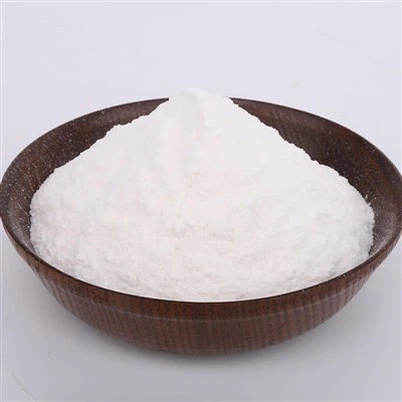
First things first, let's talk about what erythritol actually is. Erythritol is a natural sweetener that belongs to the sugar alcohol family. It's found in small amounts in fruits like grapes, melons, and pears, as well as in fermented foods such as soy sauce and cheese. But don't worry, the erythritol we supply is produced through a fermentation process using corn starch or other natural sources.
One of the great things about erythritol is that it has a very similar taste to sugar. It's about 70% as sweet as sucrose, which means you can use it as a one-to-one replacement in most recipes. And unlike some other sugar substitutes, erythritol has a clean, sweet taste with no aftertaste. That's a huge plus when it comes to making delicious beverages.
Benefits of Using Erythritol in Beverages
Now that we know what erythritol is, let's take a look at some of the benefits of using it in beverages.
Low-Calorie
One of the main reasons why beverage manufacturers are turning to erythritol is its low-calorie content. Erythritol has only 0.2 calories per gram, compared to 4 calories per gram for sugar. That means you can create beverages that are much lower in calories without sacrificing taste. This is especially important for consumers who are watching their weight or trying to reduce their sugar intake.
Low Glycemic Index
Another benefit of erythritol is its low glycemic index (GI). The GI is a measure of how quickly a carbohydrate raises blood sugar levels. Foods with a high GI can cause spikes in blood sugar, which can lead to energy crashes and other health problems. Erythritol, on the other hand, has a GI of zero, which means it doesn't cause blood sugar levels to rise. This makes it a great choice for people with diabetes or those who are looking to manage their blood sugar levels.
Tooth-Friendly
Did you know that erythritol is actually good for your teeth? Unlike sugar, which can cause tooth decay, erythritol doesn't feed the bacteria in your mouth that cause cavities. In fact, some studies have shown that erythritol may even help prevent tooth decay by reducing the amount of plaque on your teeth. So, if you're looking to create a beverage that's not only delicious but also good for your teeth, erythritol is the way to go.
Heat-Stable
Erythritol is also heat-stable, which means it can withstand high temperatures without breaking down or losing its sweetness. This makes it a great choice for beverages that are processed or pasteurized at high temperatures. Whether you're making a hot tea, a cold soda, or a fruit juice, erythritol will maintain its sweetness and stability throughout the production process.
Types of Beverages That Can Use Erythritol
So, what types of beverages can you use erythritol in? The answer is just about any type of beverage you can think of! Here are some examples:
Soft Drinks
Soft drinks are one of the most popular types of beverages in the world, and erythritol is a great alternative to sugar in these drinks. You can use erythritol to sweeten cola, lemon-lime soda, root beer, and other carbonated beverages. The low-calorie and low-glycemic properties of erythritol make it a great choice for consumers who are looking for a healthier option.
Fruit Juices
Fruit juices are another popular beverage that can benefit from the use of erythritol. Many fruit juices are high in sugar, which can contribute to weight gain and other health problems. By using erythritol to sweeten your fruit juices, you can reduce the sugar content without sacrificing the taste. You can also use erythritol to create low-sugar or sugar-free fruit juice blends.
Teas and Coffees
Tea and coffee are two of the most widely consumed beverages in the world, and erythritol is a great sweetener for these drinks. Whether you're making a hot cup of tea or a iced coffee, erythritol can add a touch of sweetness without the calories. You can also use erythritol to create flavored teas and coffees, such as chai tea or mocha coffee.
Sports Drinks
Sports drinks are designed to provide athletes with hydration, electrolytes, and energy during exercise. However, many sports drinks are high in sugar, which can cause energy crashes and other problems. By using erythritol to sweeten your sports drinks, you can provide athletes with a low-calorie, low-glycemic alternative to traditional sports drinks.
Combining Erythritol with Other Sweeteners
While erythritol is a great sweetener on its own, it can also be combined with other sweeteners to create a more complex and balanced flavor. Here are some popular combinations:
Erythritol+sucralose
Sucralose is a high-intensity sweetener that is about 400-800 times sweeter than sugar. By combining erythritol with sucralose, you can create a sweetener blend that is both low in calories and high in sweetness. This combination is often used in diet sodas and other low-calorie beverages.


Monk fruit sweetener
Monk fruit sweetener is a natural sweetener that is derived from the monk fruit. It's about 150-250 times sweeter than sugar and has a unique, fruity flavor. By combining erythritol with monk fruit sweetener, you can create a sweetener blend that is both low in calories and has a delicious, natural flavor. This combination is often used in fruit juices, teas, and other beverages.
Stevia sweetener
Stevia sweetener is a natural sweetener that is derived from the stevia plant. It's about 200-300 times sweeter than sugar and has a clean, sweet taste with no aftertaste. By combining erythritol with stevia sweetener, you can create a sweetener blend that is both low in calories and has a similar taste to sugar. This combination is often used in soft drinks, sports drinks, and other beverages.
How to Use Erythritol in Beverages
Using erythritol in beverages is easy! Here are some tips to help you get started:
Start with a Small Amount
If you're new to using erythritol, it's a good idea to start with a small amount and gradually increase the amount until you reach the desired level of sweetness. This will help you get used to the taste of erythritol and avoid using too much.
Dissolve the Erythritol
Erythritol is a crystalline sweetener, which means it needs to be dissolved in liquid before it can be used in beverages. You can dissolve erythritol in hot or cold water, juice, or other liquids. Just make sure to stir the mixture well until the erythritol is completely dissolved.
Experiment with Different Combinations
As I mentioned earlier, erythritol can be combined with other sweeteners to create a more complex and balanced flavor. Don't be afraid to experiment with different combinations of erythritol and other sweeteners to find the perfect flavor for your beverages.
Conclusion
In conclusion, erythritol is a fantastic choice for beverage manufacturers. It's low in calories, low in glycemic index, tooth-friendly, heat-stable, and has a clean, sweet taste with no aftertaste. Whether you're making soft drinks, fruit juices, teas, coffees, sports drinks, or other beverages, erythritol can help you create delicious, healthy products that your customers will love.
If you're interested in using erythritol in your beverages, I'd love to hear from you. As a leading erythritol supplier, we offer high-quality erythritol at competitive prices. We also have a team of experts who can help you with product development, formulation, and technical support. So, don't hesitate to contact us today to learn more about how we can help you take your beverage business to the next level.
References
- Livesey, G., Taylor, R., & Livesey, H. (2008). Systematic review and meta-analyses of the health potential of erythritol. Nutrition Reviews, 66(10), 589-603.
- Shils, M. E., Shike, M., Ross, A. C., Caballero, B., & Cousins, R. J. (Eds.). (2006). Modern nutrition in health and disease. Lippincott Williams & Wilkins.
- Teff, K. L., Elliott, S. S., Tschöp, M. H., Devine, M. J., & Ravussin, E. (2004). Dietary fructose reduces circulating insulin and leptin, attenuates postprandial suppression of ghrelin, and increases triglycerides in women. The Journal of Clinical Endocrinology & Metabolism, 89(4), 1960-1966.