Can dietary - fiber compound sweetener be used in smoothies?
Leave a message

Can dietary - fiber compound sweetener be used in smoothies?
As a supplier of Dietary - fiber Compound Sweetener, I've often been asked whether our product can be used in smoothies. In this blog, I'll explore this question from multiple scientific and practical perspectives.
Understanding Dietary - fiber Compound Sweetener
Dietary - fiber compound sweeteners are a blend of dietary fibers and sweetening agents. Dietary fibers, such as inulin, psyllium husk, and beta - glucan, offer numerous health benefits. They can improve digestive health by promoting regular bowel movements, increasing satiety, and helping to maintain a healthy gut microbiome. The sweetening agents in these compounds can range from natural sweeteners like stevia, monk fruit extract, to low - calorie synthetic sweeteners.


One of the key advantages of dietary - fiber compound sweeteners is their low - calorie nature. For those who are conscious about their calorie intake, especially those on a weight - management or diabetes - friendly diet, these sweeteners can be an excellent alternative to traditional sugar. They provide the sweetness that we all love in our beverages and foods without the excessive calories associated with table sugar.
The Compatibility of Dietary - fiber Compound Sweetener with Smoothies
Taste
Smoothies are known for their rich and often sweet flavors. Dietary - fiber compound sweeteners can seamlessly fit into the taste profile of smoothies. The sweetening components in the compound can enhance the natural sweetness of the fruits used in smoothies. For example, if you're making a strawberry - banana smoothie, the dietary - fiber compound sweetener can boost the sweetness, making the smoothie even more appealing. Moreover, the dietary fibers themselves can add a subtle, earthy undertone that can complement the fruity flavors.
Nutritional Value
Smoothies are a great way to pack in a variety of nutrients, including vitamins, minerals, and antioxidants. When you add dietary - fiber compound sweetener to a smoothie, you're not only adding sweetness but also additional nutritional value. The dietary fibers can help slow down the absorption of sugars from the fruits in the smoothie, preventing rapid spikes in blood sugar levels. This is particularly beneficial for individuals with diabetes or those looking to maintain stable energy levels throughout the day.
Texture
The dietary fibers in the compound sweetener can also have an impact on the texture of the smoothie. They can act as thickeners, giving the smoothie a creamier and more substantial consistency. This can be especially useful if you prefer your smoothies to be thicker, similar to a milkshake. For instance, inulin, a common dietary fiber in these sweeteners, can form a gel - like structure when mixed with liquids, which can contribute to the overall body of the smoothie.
Specific Types of Dietary - fiber Compound Sweeteners for Smoothies
Oligosaccharide Compound Sweetener
Oligosaccharides are a type of dietary fiber that are known for their prebiotic properties. They can selectively stimulate the growth and activity of beneficial bacteria in the gut. The Oligosaccharide Compound Sweetener is an excellent choice for smoothies. It provides a mild, sweet taste and can enhance the gut - friendly nature of the smoothie. When added to a spinach - apple - banana smoothie, it can not only sweeten the drink but also promote a healthy gut environment.
Low - energy Brown Sugar
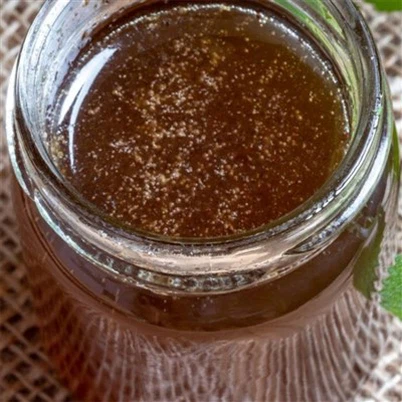
Brown sugar is a popular sweetener due to its rich, caramel - like flavor. However, traditional brown sugar is high in calories. The Low - energy Brown Sugar and Low - energy Brown Sugar offered by our company are formulated to provide the same great flavor as traditional brown sugar but with significantly fewer calories. They are a blend of dietary fibers and natural sweeteners, making them a perfect addition to smoothies. For example, in a date - almond - coconut smoothie, the low - energy brown sugar can add a warm, caramel note, enhancing the overall flavor profile.
Practical Tips for Using Dietary - fiber Compound Sweetener in Smoothies
Dosage
The amount of dietary - fiber compound sweetener to use in a smoothie depends on personal taste preferences and the natural sweetness of the fruits. As a general guideline, start with a small amount, such as half a teaspoon, and gradually increase it until you reach the desired level of sweetness. Remember, these sweeteners are often more concentrated than table sugar, so a little goes a long way.
Mixing
To ensure that the dietary - fiber compound sweetener is evenly distributed in the smoothie, it's best to add it during the blending process. Start by adding the fruits, vegetables, and any other ingredients to the blender, then add the sweetener. Blend on high speed for at least 30 seconds to ensure a smooth and consistent mixture.
Conclusion
In conclusion, dietary - fiber compound sweeteners are an excellent addition to smoothies. They offer a range of benefits, including enhanced taste, increased nutritional value, and improved texture. Whether you're looking for a low - calorie sweetening option, a way to support your digestive health, or simply a new flavor dimension for your smoothies, our dietary - fiber compound sweeteners are the perfect choice.
If you're interested in learning more about our Dietary - fiber Compound Sweetener products or would like to discuss a potential purchase, we invite you to reach out. Our team of experts is ready to assist you in finding the best sweetening solution for your smoothie recipes or other food and beverage applications.
References
- Anderson, J. W., Baird, P., Davis, R. H., Ferreri, S., Knudtson, M., Koraym, A., ... & Williams, C. L. (2009). Health benefits of dietary fiber. Nutrition reviews, 67(4), 188 - 205.
- Slavin, J. L. (2013). Health benefits of fruits and vegetables. Advances in nutrition, 4(3), 384S - 392S.