Can dietary - fiber compound sweetener be used in coffee and tea?
Leave a message

As a supplier of Dietary - fiber Compound Sweetener, I often receive inquiries from customers about whether our product can be used in coffee and tea. In this blog, I will delve into this topic, exploring the scientific basis, advantages, and potential considerations of using dietary - fiber compound sweeteners in these popular beverages.
The Science Behind Dietary - fiber Compound Sweeteners
Dietary - fiber compound sweeteners are a blend of various dietary fibers and sweetening agents. Dietary fibers, such as inulin, oligofructose, and polydextrose, are complex carbohydrates that are not fully digested in the human small intestine. They have several health benefits, including promoting gut health, regulating blood sugar levels, and reducing cholesterol.
On the other hand, the sweetening agents in these compounds can be natural sweeteners like stevia, monk fruit extract, or artificial sweeteners like sucralose. These sweeteners provide the desired sweetness with fewer calories compared to traditional sugars.
When it comes to coffee and tea, the chemical properties of these beverages are well - known. Coffee contains caffeine, antioxidants, and various organic acids, while tea is rich in catechins, theanine, and other bioactive compounds. Dietary - fiber compound sweeteners do not chemically react with the main components of coffee and tea. The dietary fibers can co - exist with the compounds in coffee and tea without causing any significant changes in their chemical structures. For example, the antioxidants in coffee and tea remain stable in the presence of dietary - fiber compound sweeteners, and the sweeteners do not interfere with the release of caffeine or other stimulants.
Advantages of Using Dietary - fiber Compound Sweetener in Coffee and Tea
Health Benefits
One of the most significant advantages is the health aspect. Many people who enjoy coffee and tea like to add sugar to enhance the taste. However, excessive sugar consumption is associated with various health problems, such as obesity, diabetes, and heart disease. Dietary - fiber compound sweeteners offer a healthier alternative. The dietary fibers in the sweetener can improve digestion. They act as prebiotics, feeding the beneficial bacteria in the gut, which can lead to a more balanced gut microbiome. This, in turn, can enhance the immune system and overall well - being.
Moreover, the low - calorie nature of dietary - fiber compound sweeteners helps in managing weight. For those who are watching their calorie intake but still want to enjoy a sweetened cup of coffee or tea, these sweeteners are an ideal choice. They can provide the same level of sweetness as sugar with a fraction of the calories.


Taste and Flavor Enhancement
Dietary - fiber compound sweeteners can enhance the taste of coffee and tea in a unique way. The sweeteners can balance the bitterness of coffee and the astringency of tea. The natural sweetening agents in the compound can add a clean and pure sweetness that is different from the sometimes cloying taste of sugar. For example, stevia, which is often used in dietary - fiber compound sweeteners, has a long - lasting sweet taste that can complement the complex flavors of coffee and tea. It can bring out the subtle notes in the beverages, making the overall drinking experience more enjoyable.
Compatibility with Different Types of Coffee and Tea
Whether it's a strong espresso, a smooth latte, a delicate green tea, or a robust black tea, dietary - fiber compound sweeteners can be used effectively. They dissolve easily in hot or cold beverages, making them suitable for all seasons. In hot coffee or tea, the sweetener dissolves quickly, spreading the sweetness evenly throughout the drink. In cold beverages, they can also dissolve well, although it may take a bit more stirring. This versatility makes them a convenient choice for consumers who have different preferences for their coffee and tea.
Different Types of Dietary - fiber Compound Sweeteners Suitable for Coffee and Tea
Oligosaccharide Compound Sweetener
The Oligosaccharide Compound Sweetener is a great option for coffee and tea. Oligosaccharides are short - chain carbohydrates that have a mild sweetness. They are also prebiotics, which means they can support gut health. When added to coffee or tea, they can provide a gentle sweetness that does not overpower the natural flavors of the beverages. They are also relatively low in calories, making them a healthy choice for those looking to reduce their sugar intake.
Low - energy Brown Sugar
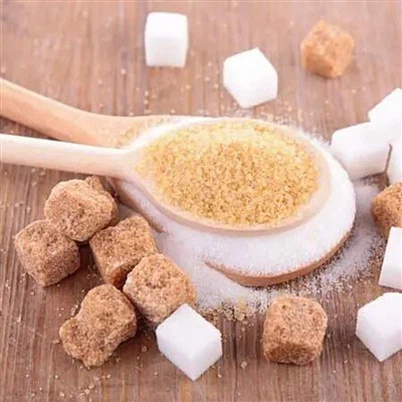
Low - energy Brown Sugar is another suitable option. It has the characteristic rich and caramel - like flavor of brown sugar but with lower calories. The dietary fibers in this sweetener give it a unique texture and taste. When used in coffee or tea, it can add a warm and comforting flavor, similar to traditional brown sugar, but without the high sugar content. It can be especially good in a cup of black tea or a cappuccino, adding a touch of sweetness and complexity.
Low - sugar Content White Sugar
The Low - sugar Content White Sugar is a modified form of white sugar that contains dietary fibers. It has the familiar sweet taste of white sugar but with reduced sugar content. This makes it a great choice for those who are used to the taste of white sugar but want to cut down on their sugar consumption. It can be used in any type of coffee or tea, providing a classic sweetening effect.
Considerations When Using Dietary - fiber Compound Sweeteners in Coffee and Tea
Dosage
It is important to use the right dosage of dietary - fiber compound sweeteners. Since they are often more potent than sugar, a little goes a long way. Using too much can result in an overly sweet taste that may mask the natural flavors of the coffee or tea. It is recommended to start with a small amount and adjust according to personal taste preferences.
Allergies and Sensitivities
Although dietary - fiber compound sweeteners are generally safe for most people, some individuals may have allergies or sensitivities to certain components. For example, those who are allergic to stevia should avoid sweeteners that contain it. It is important to check the ingredient list carefully before using the sweetener, especially for people with known food allergies.
Conclusion
In conclusion, dietary - fiber compound sweeteners can indeed be used in coffee and tea. They offer a range of benefits, including health advantages, taste enhancement, and compatibility with different types of beverages. As a supplier of Dietary - fiber Compound Sweetener, I am confident in the quality and performance of our products. They are a great alternative to traditional sugars, providing a sweet and healthy option for coffee and tea lovers.
If you are interested in our Dietary - fiber Compound Sweetener products or want to discuss potential procurement, please feel free to reach out. We are ready to provide you with detailed information and work with you to meet your specific needs.
References
- Gibson, G. R., & Roberfroid, M. B. (1995). Dietary modulation of the human colonic microbiota: Introducing the concept of prebiotics. The Journal of Nutrition, 125(6), 1401 - 1412.
- Kinghorn, A. D. (2002). Non - nutritive sweeteners. Annual Review of Nutrition, 22, 325 - 350.
- McCarty, M. F. (2002). Dietary strategies for preventing and controlling type 2 diabetes: a review. Journal of the American College of Nutrition, 21(5), 421 - 434.